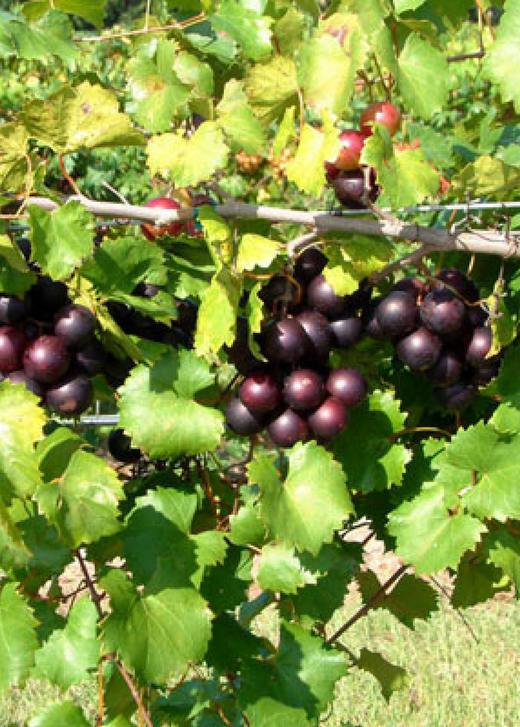
Florida fruit-tree success depends on more than choosing a tropical-looking plant. North Florida, Central Florida, and South Florida have different winter lows and chill accumulation, while the entire state adds heat, humidity, heavy rain, and hurricane exposure to the decision.
Quick Florida starting points
| Growing situation | Good categories to compare | Main check before buying |
|---|---|---|
| North Florida | Fig, pomegranate, mulberry, blueberry, selected peach and pear | Chill hours and late freezes |
| Central Florida | Fig, citrus where permitted, loquat, mulberry, low-chill blueberry, olive, avocado with protection | Drainage, cultivar chill requirement, freeze plan |
| South Florida | Guava, mango, soursop, sugar apple, lychee, dragon fruit and other tropicals | Wind, drainage, salt exposure, state delivery eligibility |
| Patio or container | Compact fig, citrus, pomegranate, olive and movable tropical fruit plants | Container volume, drainage, pruning, winter shelter |
Match chill hours before buying deciduous fruit
Warm Florida winters can leave high-chill peaches, apples, pears, and blueberries without enough cool weather for reliable flowering. A cultivar with too little chill for a colder North Florida site may also wake early and lose flowers to a late freeze. Check the cultivar requirement, not only the fruit species.
Plan for water and humidity
Summer rain does not eliminate irrigation needs, and it increases the importance of drainage. Avoid planting into a low area that stays saturated. Give trees air movement and enough spacing for their mature canopy. Humid conditions can increase fungal pressure, so disease resistance and realistic maintenance matter.
Use containers strategically
Containers are useful for small spaces and freeze protection, especially for compact figs, citrus, olive, pomegranate, Barbados cherry, and tender tropicals. They also dry quickly in Florida heat. Choose a pot with open drainage, increase size gradually, and do not assume a container makes an unsuitable climate harmless.
Florida buyer checklist
- Confirm your ZIP and USDA Zone.
- Check cultivar chill hours for deciduous fruit.
- Confirm self-pollination or a compatible pollination partner.
- Plan six or more hours of direct sun for most fruit trees.
- Prepare a freeze and wind-protection plan for tender plants.
- Verify current state delivery eligibility at checkout.
Sources and further reading
- USDA: How to use the Plant Hardiness Zone Map
- UF/IFAS: Tropical and Subtropical Fruit Crops for the Home Landscape
- UF/IFAS: Pears in Florida Home Gardens
Check current availability for your ZIP
Use our ZIP-based finder as a first filter, then confirm the cultivar details on the product page. Prices and inventory update from the live catalog; final delivery eligibility and cost are confirmed at checkout.
Growing guidance describes typical performance, not a guarantee. A USDA Zone measures average annual extreme minimum temperature; local heat, humidity, soil, water, chill accumulation, wind, and microclimates also matter.