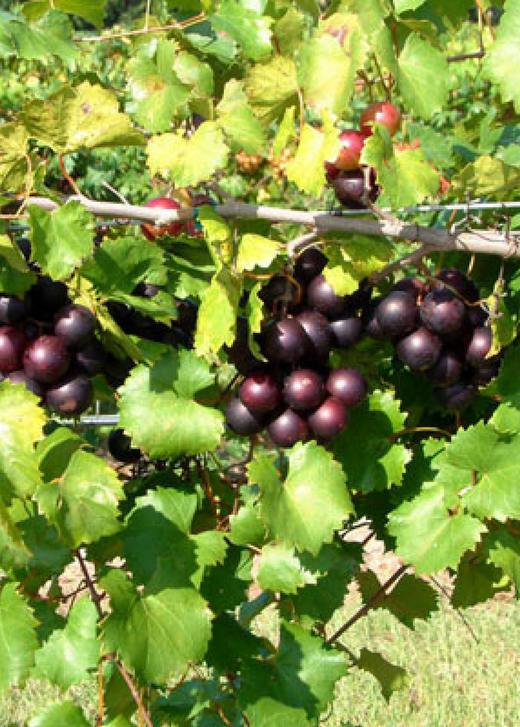
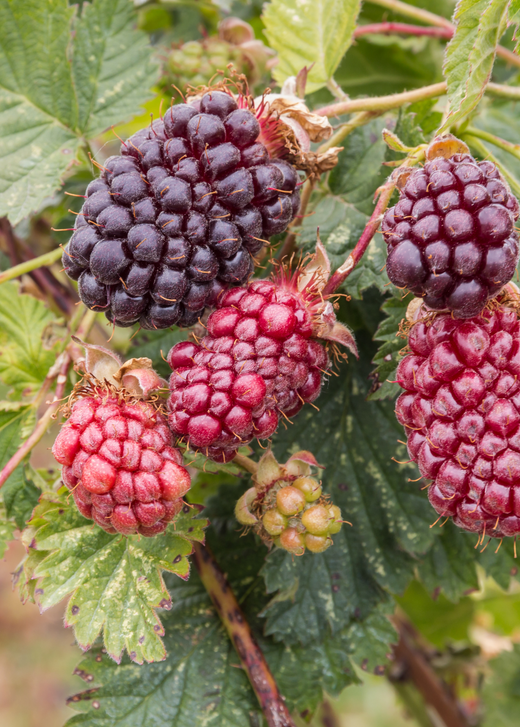
Georgia can grow an excellent range of home fruit, but heat and humidity reward careful cultivar selection. North Georgia has colder winters and generally more chill, while South Georgia needs lower-chill selections and faces longer periods of heat and humidity.
Strong categories to investigate
| Category | Why buyers consider it | What to verify |
|---|---|---|
| Figs and persimmons | Often lower maintenance than stone fruit | Cold exposure, drainage, mature size |
| Peaches and plums | Well-known Georgia fruit | Exact chill requirement and higher pest/disease care |
| Apples and pears | Options for much of the state | Regional cultivar, fire blight, pollination partner |
| Blueberries and blackberries | Productive small-space choices | Soil pH, drainage, pollination, pruning system |
| Pomegranate and muscadine | Useful warm-climate alternatives | Regional hardiness, support and sun |
Chill hours and late frost work together
A fruit tree needs enough winter chill to break dormancy normally, but an early-blooming cultivar can lose flowers when a warm spell is followed by frost. Match both the chill requirement and bloom timing to your part of Georgia.
Expect humidity-related maintenance
Full sun, drainage, airflow, sanitation, and resistant cultivars reduce avoidable problems. Stone fruit commonly needs more active disease and insect management than figs, persimmons, or some berries. Choose the care level you will realistically maintain.
Georgia buyer checklist
- Find local chill accumulation, not just statewide averages.
- Check pollination compatibility and overlapping bloom time.
- Favor well-drained sites with six to ten hours of sun.
- Compare disease resistance and expected maintenance.
- Confirm the selected size and delivery eligibility before checkout.
Sources and further reading
- USDA: How to use the Plant Hardiness Zone Map
- UGA Cooperative Extension: Home Garden fruit publications
- UGA Cooperative Extension: Home Garden Peaches
Check current availability for your ZIP
Use our ZIP-based finder as a first filter, then confirm the cultivar details on the product page. Prices and inventory update from the live catalog; final delivery eligibility and cost are confirmed at checkout.
Growing guidance describes typical performance, not a guarantee. A USDA Zone measures average annual extreme minimum temperature; local heat, humidity, soil, water, chill accumulation, wind, and microclimates also matter.