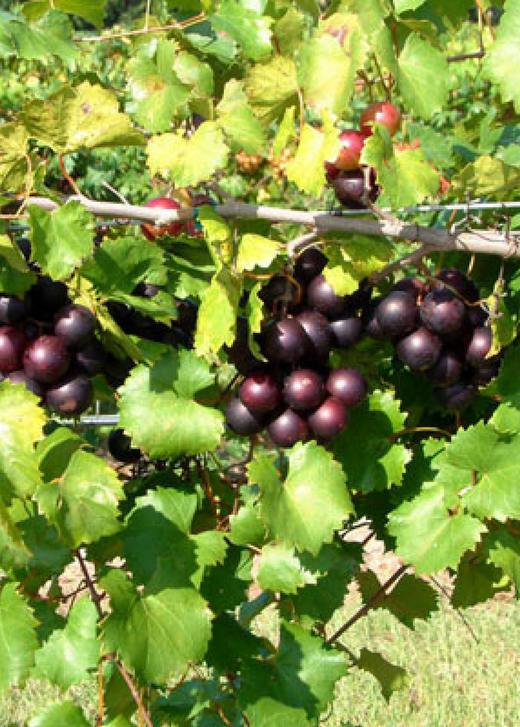
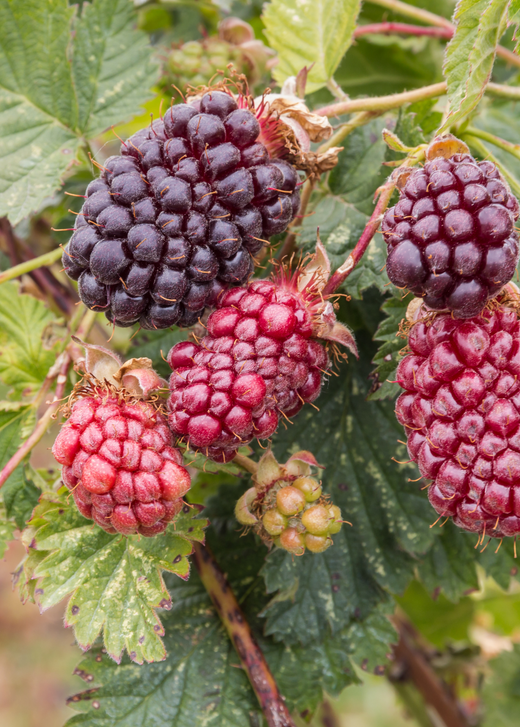
North Carolina fruit choices change from the mountains to the Piedmont and Coastal Plain. Elevation, spring frost, soil drainage, humidity, summer heat, and available space are as important as the statewide USDA Zone range.
Compare by region
| Region | Categories to compare | Main concern |
|---|---|---|
| Mountains | Apple, pear, selected peach and plum, cold-hardy berries | Winter low, late frost, growing-season length |
| Piedmont | Apple, fig, peach, pear, persimmon, blackberry, blueberry | Drainage, disease pressure, cultivar chill fit |
| Coastal Plain | Fig, persimmon, pecan, pear, blueberry, selected low-chill fruit | Humidity, drainage, tropical storms, low chill |
| Small space | Self-pollinating dwarf tree, fig, persimmon, berry bush | Mature canopy and pruning needs |
Use space and pollination as filters
NC State Extension notes that a compact self-pollinating tree, fig, or persimmon can fit a smaller site, while cross-pollinating fruit requires room for compatible cultivars. Do not choose a pair until you confirm overlapping bloom and enough mature space.
Pick a realistic maintenance level
Figs, persimmons, and some nut crops can require less management than peaches, nectarines, or plums. Full sun and well-drained soil improve fruit quality and reduce avoidable disease pressure, but no fruit tree is maintenance free.
North Carolina buyer checklist
- Identify mountain, Piedmont, or Coastal Plain conditions.
- Confirm chill hours, spring-frost exposure, and drainage.
- Check self-pollination or compatible partner requirements.
- Compare mature size with the actual sunny space.
- Verify current inventory and delivery eligibility at checkout.
Sources and further reading
- USDA: How to use the Plant Hardiness Zone Map
- NC State Extension: North Carolina Production Guide for Smaller Orchard Plantings
- NC State Extension Gardener Handbook: Tree Fruit and Nuts
Check current availability for your ZIP
Use our ZIP-based finder as a first filter, then confirm the cultivar details on the product page. Prices and inventory update from the live catalog; final delivery eligibility and cost are confirmed at checkout.
Growing guidance describes typical performance, not a guarantee. A USDA Zone measures average annual extreme minimum temperature; local heat, humidity, soil, water, chill accumulation, wind, and microclimates also matter.