Texas is not one fruit-tree climate. Winter lows, chill accumulation, summer heat, rainfall, soil, and water quality differ sharply from the Panhandle to East Texas, Central Texas, the Gulf Coast, and the Rio Grande Valley.
Choose by Texas region
| Region | Useful categories to compare | Primary constraint |
|---|---|---|
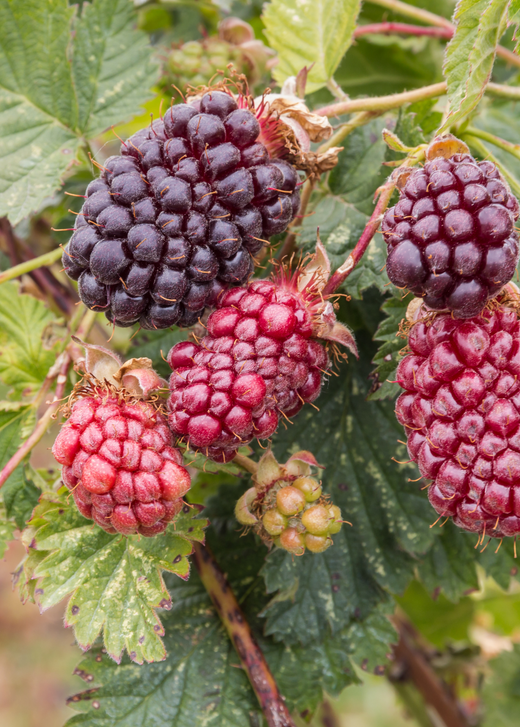
| North and Panhandle | Apple, pear, peach, fig, pomegranate, blackberry | Winter hardiness, spring freezes, matching chill hours |
| Central Texas | Fig, pomegranate, peach, plum, blackberry, olive in suitable sites | Heat, drought, alkaline soil, cultivar chill fit |
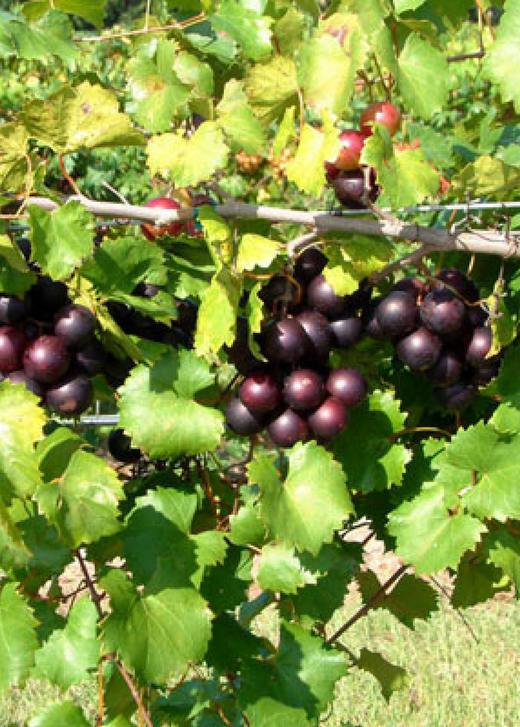
| East Texas | Fig, blueberry with suitable acidic soil, pear, blackberry, muscadine | Humidity, disease pressure, drainage |
| Gulf Coast and South Texas | Citrus where permitted, avocado selections, guava, low-chill fruit, pomegranate | Low chill, freezes, wind, delivery restrictions |
Chill hours can change the answer
Texas A&M variety guidance shows large chill-hour differences across Texas. A peach or apple that fits North Texas may be a poor fit near the Gulf Coast, while a very low-chill cultivar can bloom too early in a colder location. Use your county-level chill estimate and the named cultivar requirement.
Heat tolerance is not drought proofing
Young fruit trees need consistent establishment water even when mature trees are described as heat tolerant. Mulch the root zone without piling mulch against the trunk. In alkaline areas, soil pH and irrigation-water quality can affect nutrient availability; a container can be a more controllable option for sensitive plants.
Texas buyer checklist
- Confirm USDA Zone and local chill-hour range.
- Check whether the cultivar needs a pollen partner.
- Compare mature size with the available irrigated space.
- Plan afternoon protection for newly arrived plants during extreme heat.
- Verify all Texas agricultural delivery restrictions at checkout.
Sources and further reading
- USDA: How to use the Plant Hardiness Zone Map
- Texas A&M AgriLife: Apple varieties and chill hours for Texas
- Texas A&M AgriLife: Rabbiteye blueberries for Texas
Check current availability for your ZIP
Use our ZIP-based finder as a first filter, then confirm the cultivar details on the product page. Prices and inventory update from the live catalog; final delivery eligibility and cost are confirmed at checkout.
Growing guidance describes typical performance, not a guarantee. A USDA Zone measures average annual extreme minimum temperature; local heat, humidity, soil, water, chill accumulation, wind, and microclimates also matter.