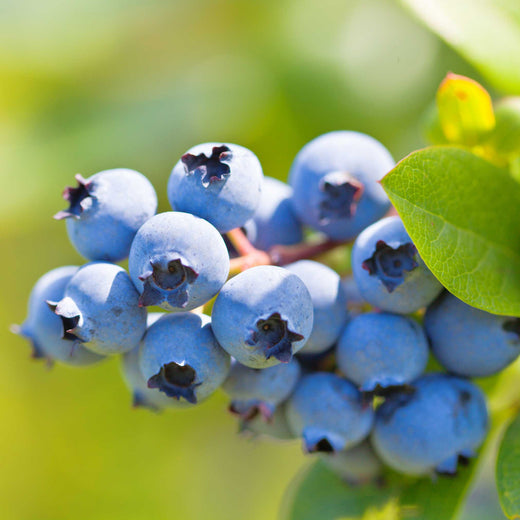
Self-pollinating or self-fertile means one compatible plant can set fruit without a second cultivar. It does not always mean a second compatible plant has no benefit. Some self-fertile plants produce heavier or more consistent crops with cross-pollination.
Plants often sold as self-fertile
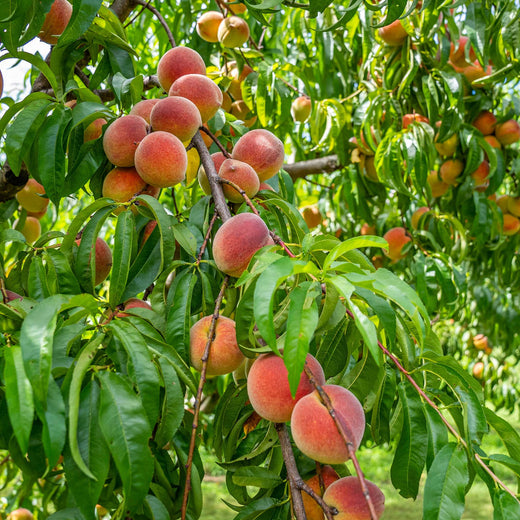
Many citrus cultivars, common figs, pomegranates, peaches, and some olives can set fruit alone. Behavior is cultivar-specific, so use the product listing rather than assuming an entire fruit category follows one rule.
Plants that often benefit from or require a partner
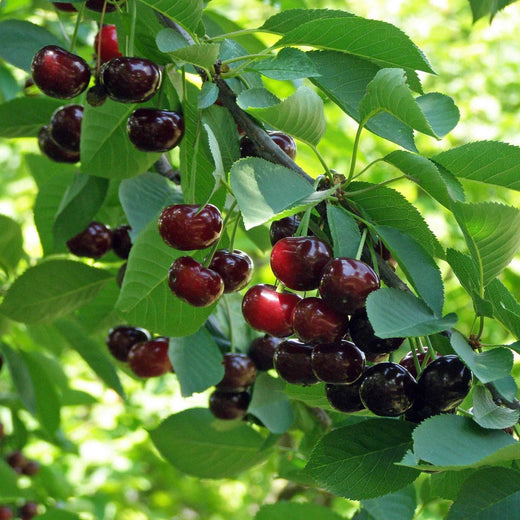
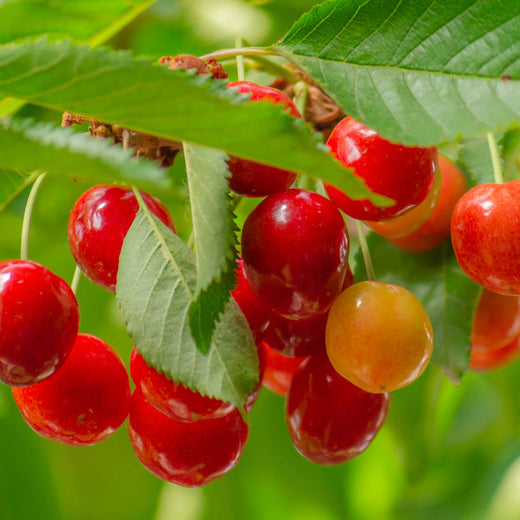
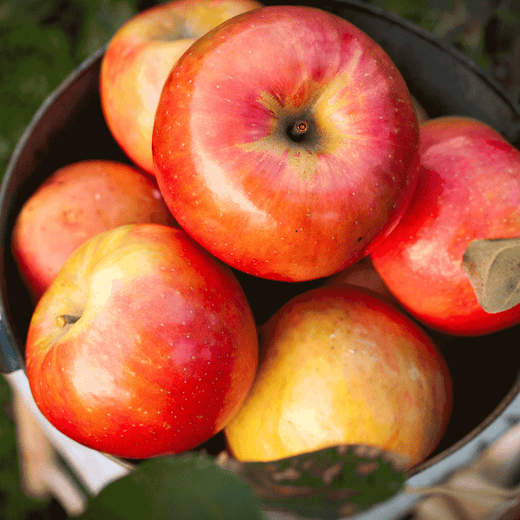
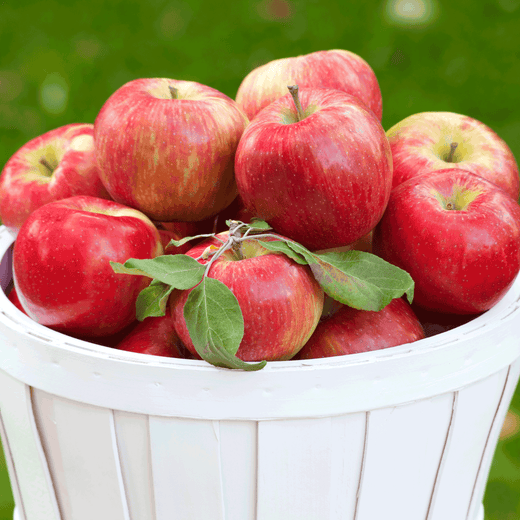
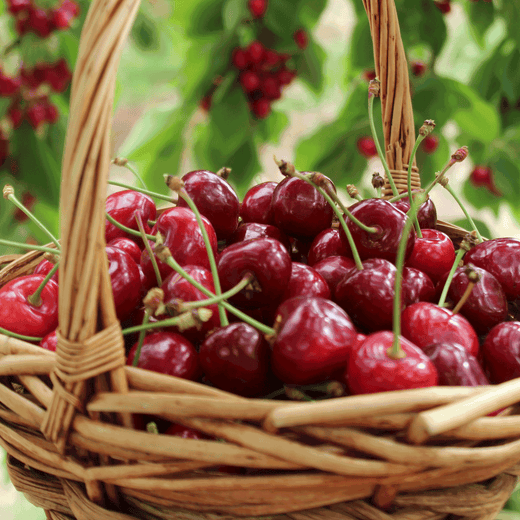
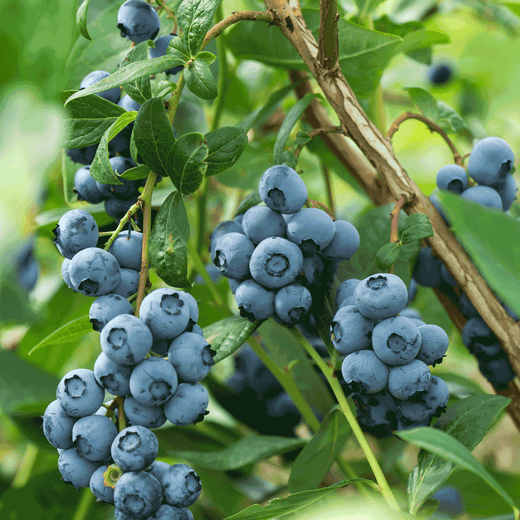
Many apples, pears, sweet cherries, blueberries, and some plums need or benefit from a second compatible cultivar that blooms at the same time. Two plants of the same non-self-fertile cultivar may not solve the problem.
| Fruit group | Typical home-garden plan | Important exception |
|---|---|---|
| Common figs, lemons, peaches | One self-fertile cultivar can usually set fruit. | Cross-pollination may still improve some crops. |
| Apples and most pears | Plant two compatible cultivars with overlapping bloom. | Closely related or sterile-pollen cultivars may not be compatible. |
| Sweet cherries | Check the exact cultivar; many require a partner. | Some newer cultivars are self-fertile. |
| Blueberries | Use two suitable cultivars when possible for stronger fruit set. | Match blueberry type, chill needs, and bloom period. |
| Pomegranates and many olives | Many named cultivars can fruit alone. | A compatible second cultivar may increase yield. |
Three questions to answer
- Is the exact cultivar self-fertile?
- If not, which cultivars are compatible pollenizers?
- Do their bloom periods overlap in your climate?
Pollinators such as bees still matter even when a tree is self-fertile. Weather during bloom and pesticide use can also affect fruit set.
Use our current fruit tree catalog to compare cultivar details. For climate selection, continue with the fruit trees by USDA Zone finder.
Sources and methodology
The crop-level comparison above is based on Penn State Extension's pollination requirements. Exact cultivar compatibility and bloom overlap always take priority over a broad fruit-category rule.